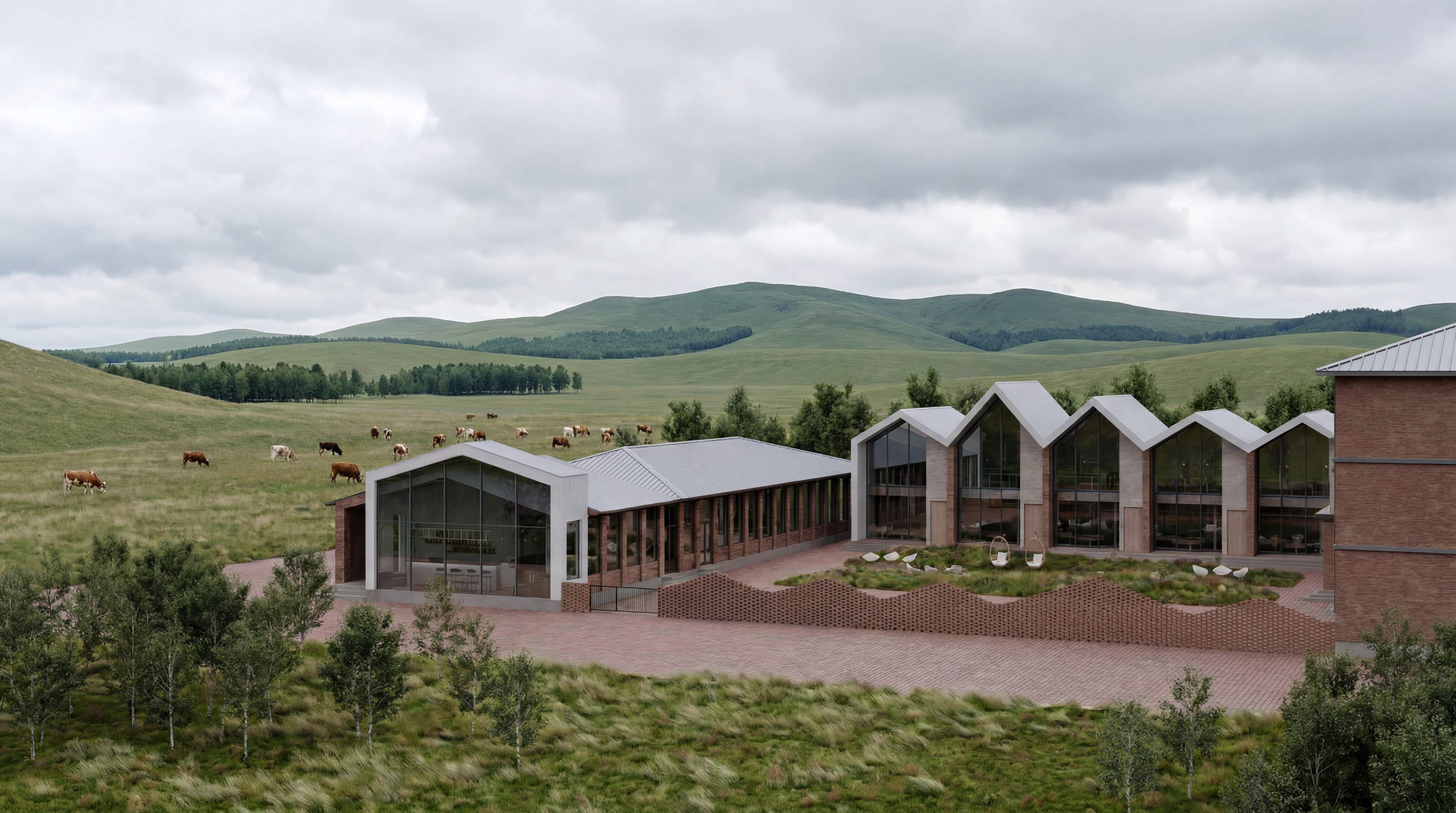
A rhythmic run of pitched roofs rises across the grassland. The design does not compete with the existing horizon; instead it draws a second one, just in front.
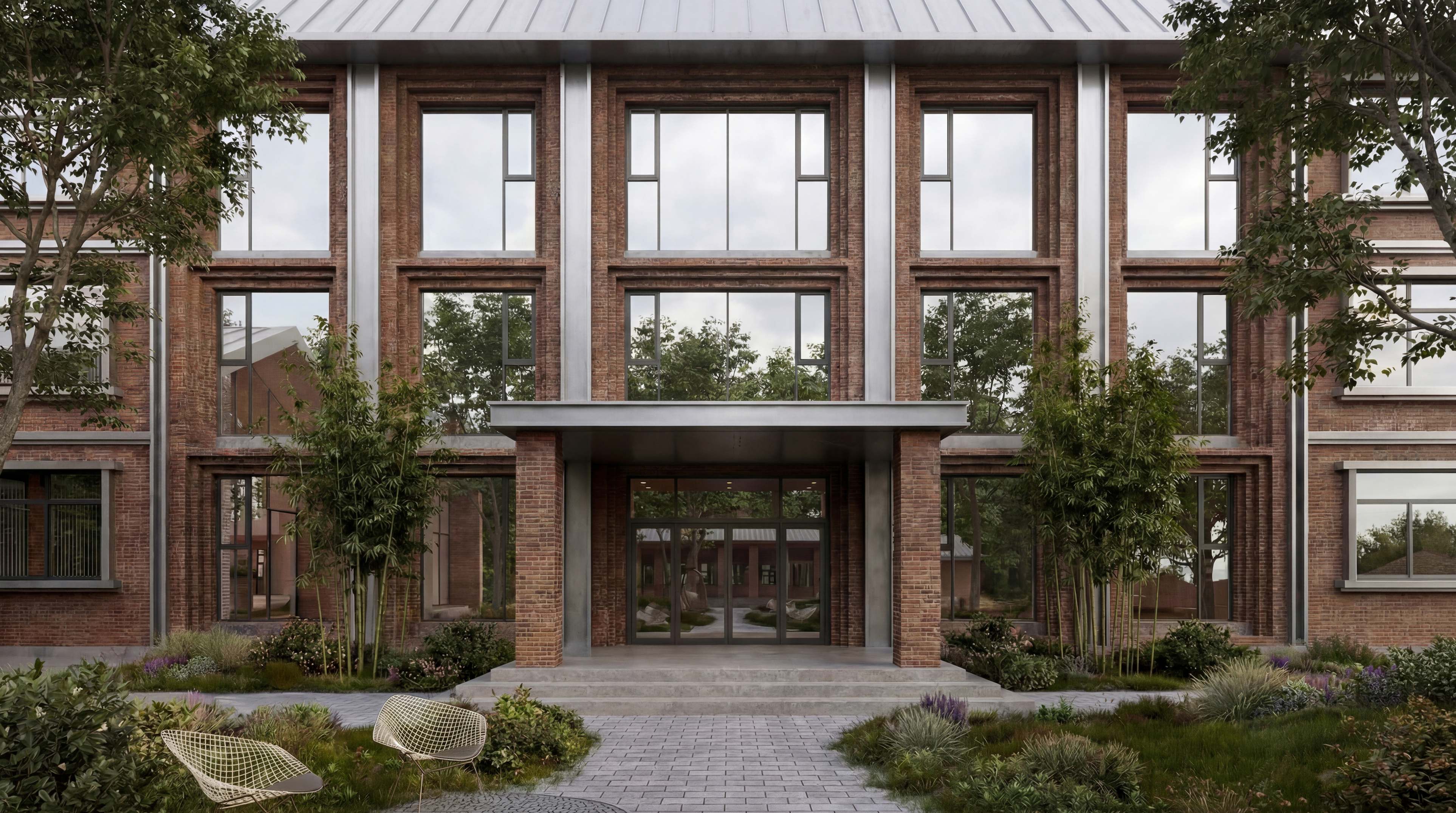
The material was already in the ground. Brick is only earth that has been fired and squared; a hill is earth left as it fell. Brick is the project's first principle—the existing fabric of the main building, and clay sourced close to the site. The renovation reads as a continuation of the grassland rather than an addition to it. What was already there is not replaced but carried forward.
From the material, the silhouette follows. The five new built boutique lofts step across the site as a run of gables, a serrated ridge that rises and falls in the rhythm of the peaks behind them. At the ground, a low brick wall undulates through the courtyard like a contour line, gathering five new loft units around a loose garden of grasses and wildflowers. Between the larger hills beyond and the smaller ones built here, the landscape never stops—it only changes hands.
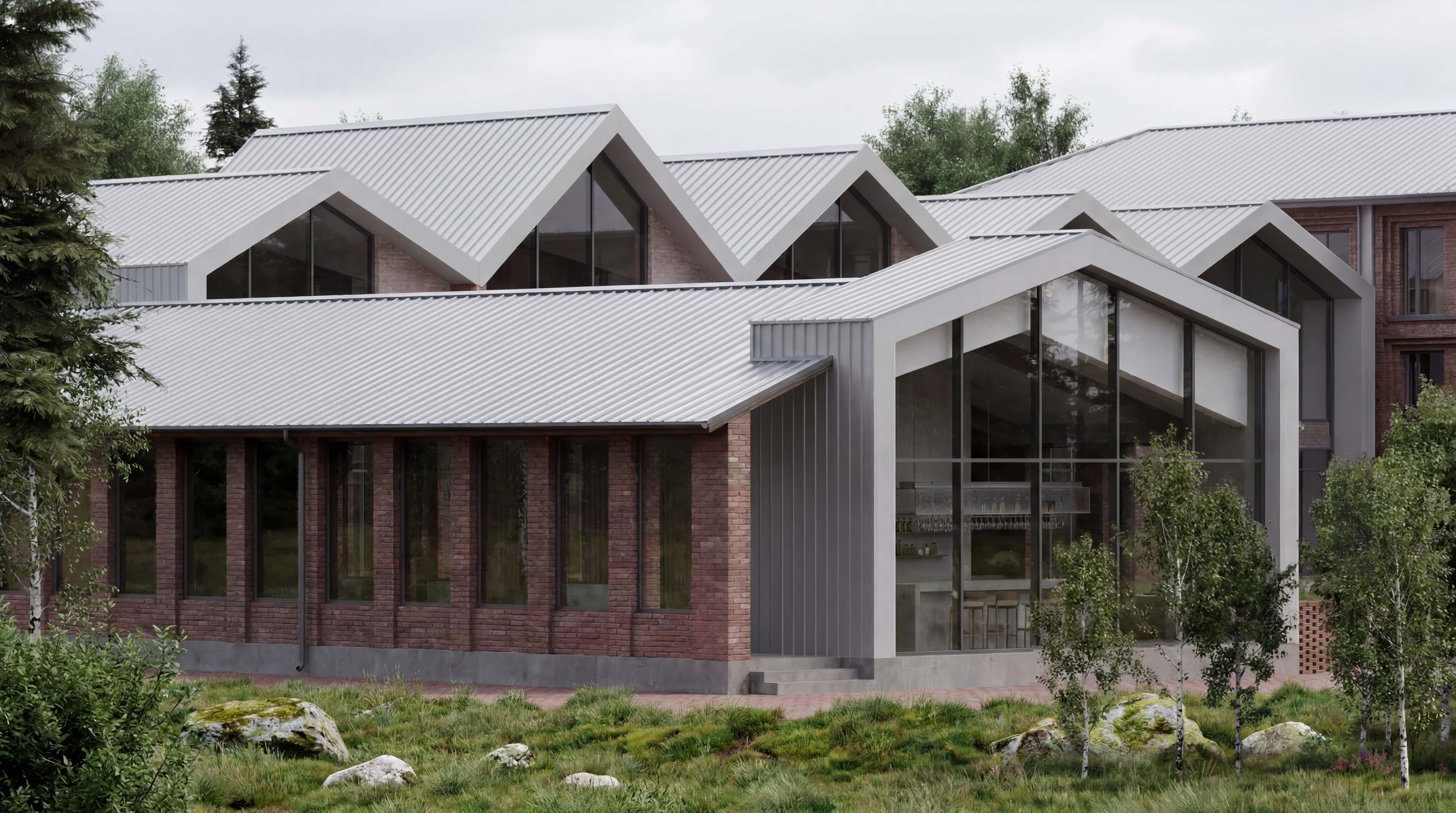
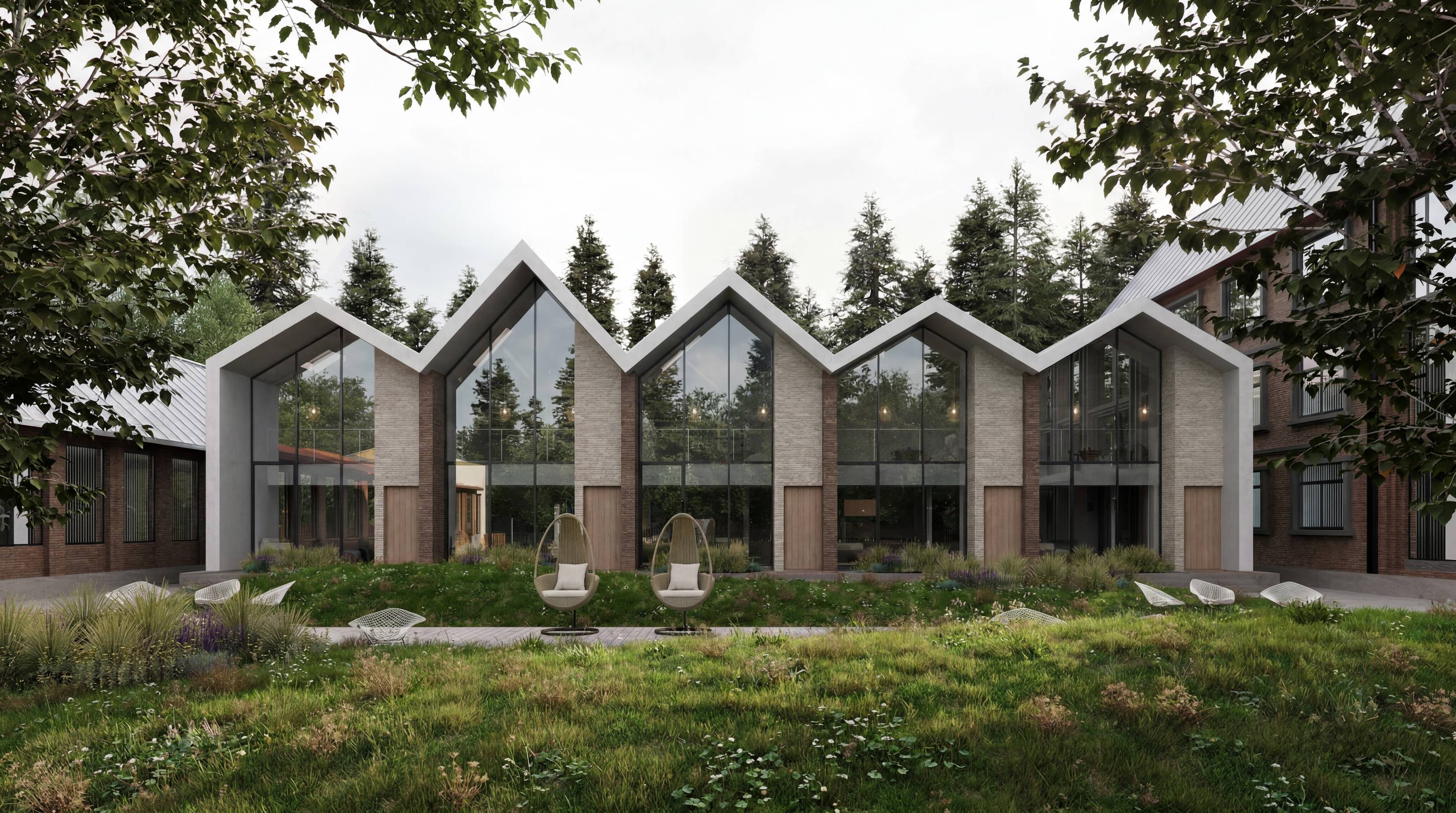
Brick is pushed past its usual job. On the facade it revives an older brick architecture—layered, hand-laid masonry that deepens into piers and frames and catches the shadow; at the courtyard it opens into a perforated screen that lets through light and air. One material, working as structure, screen, and ornament in turn.
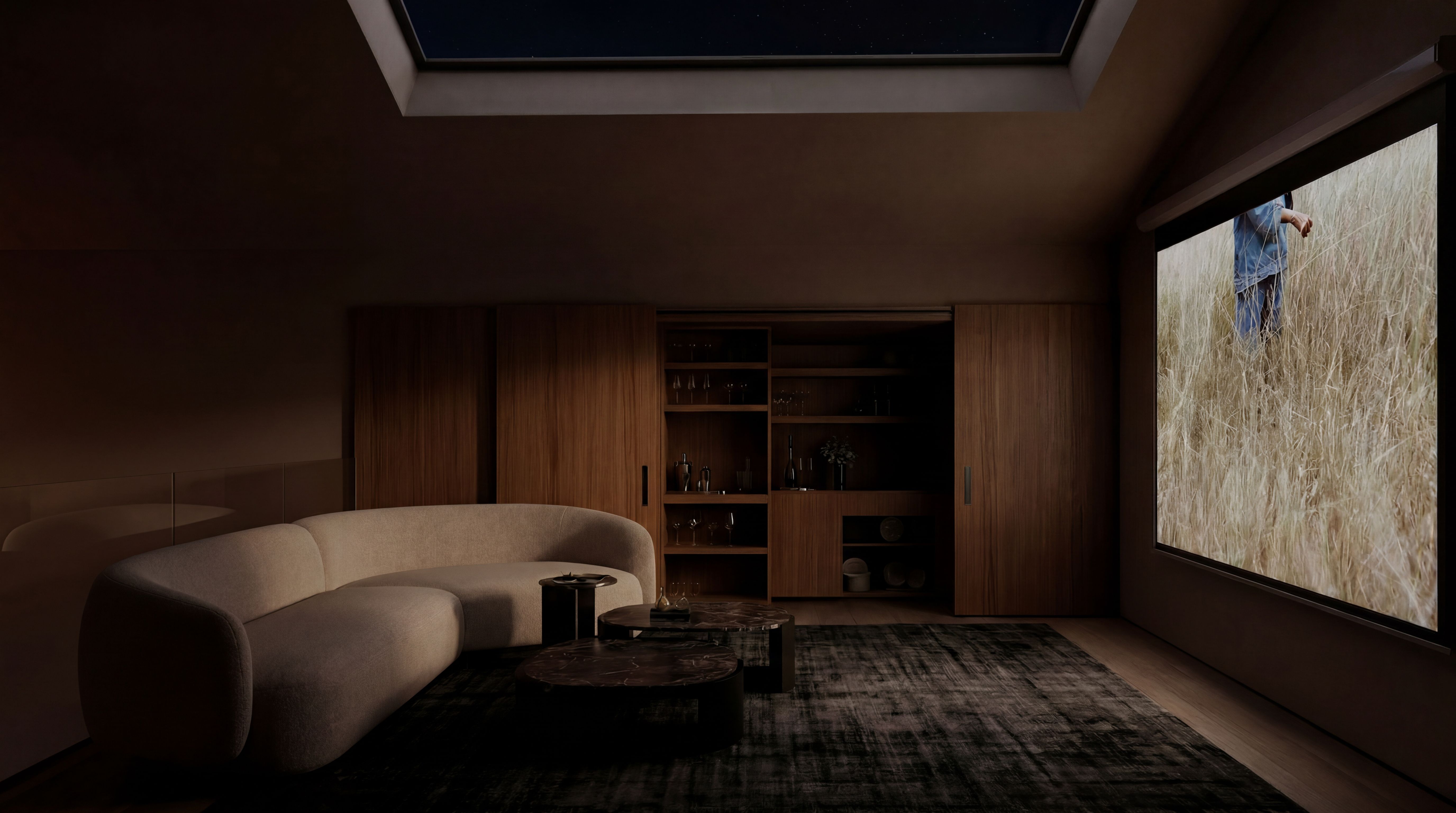
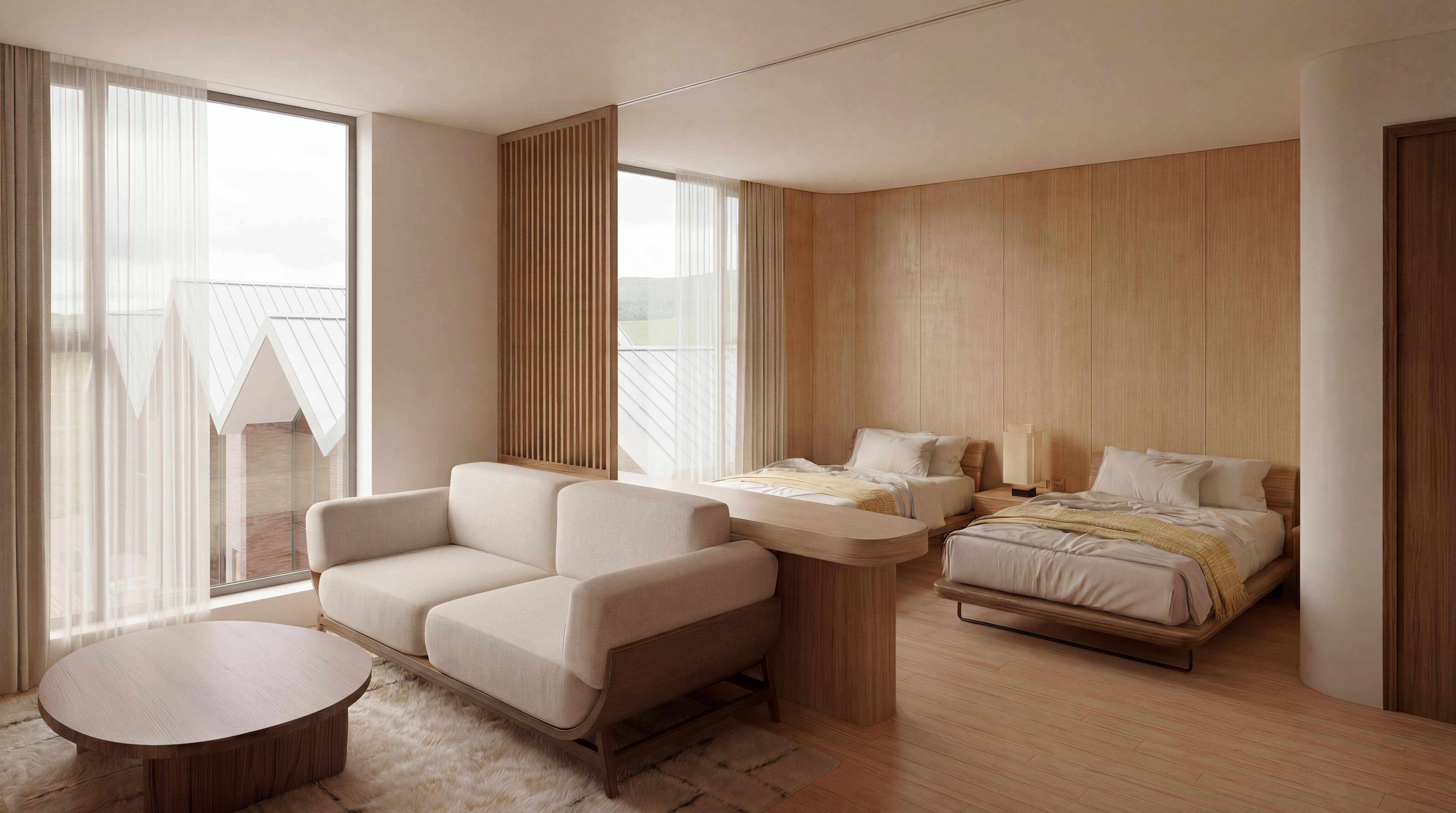
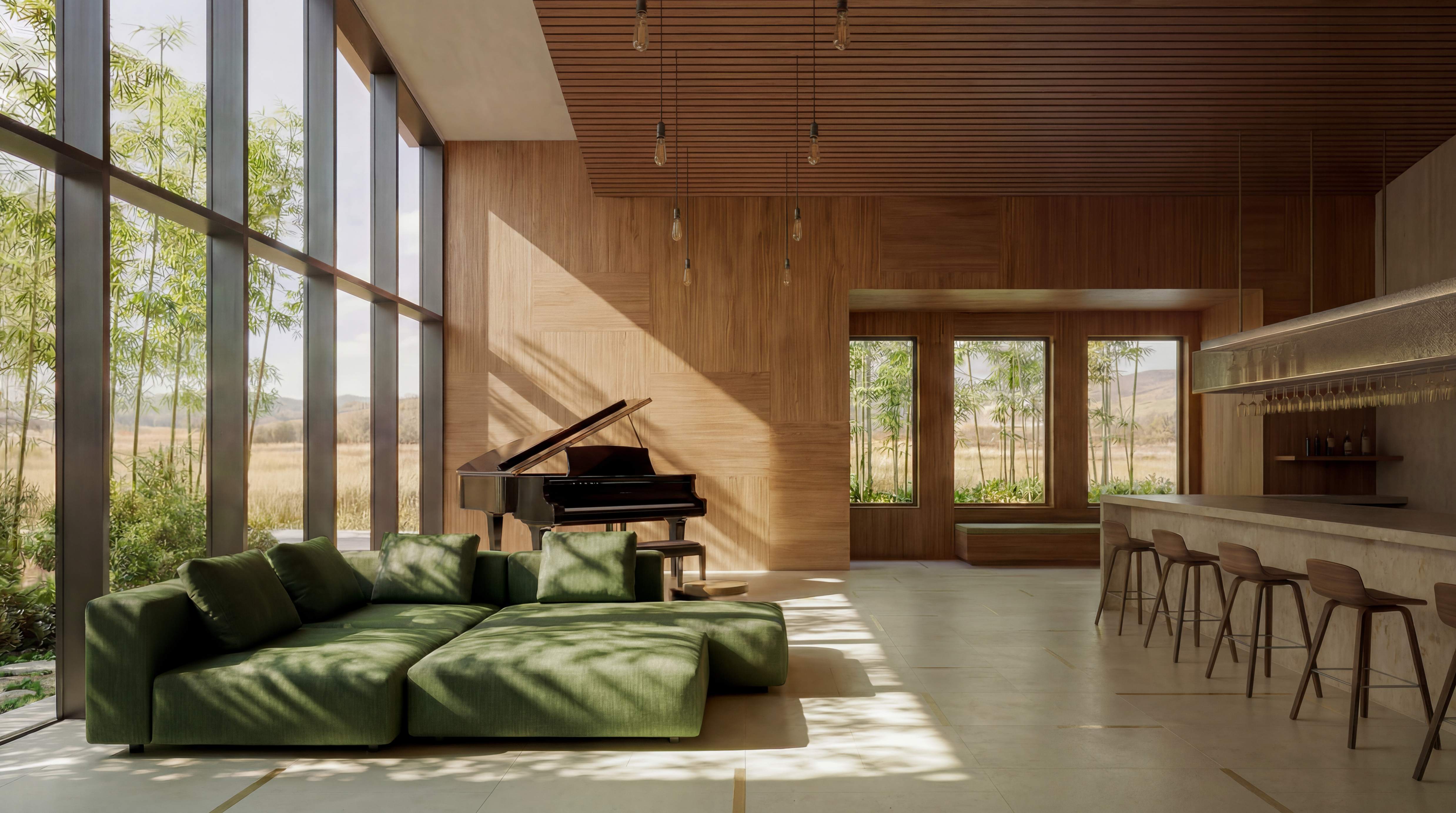
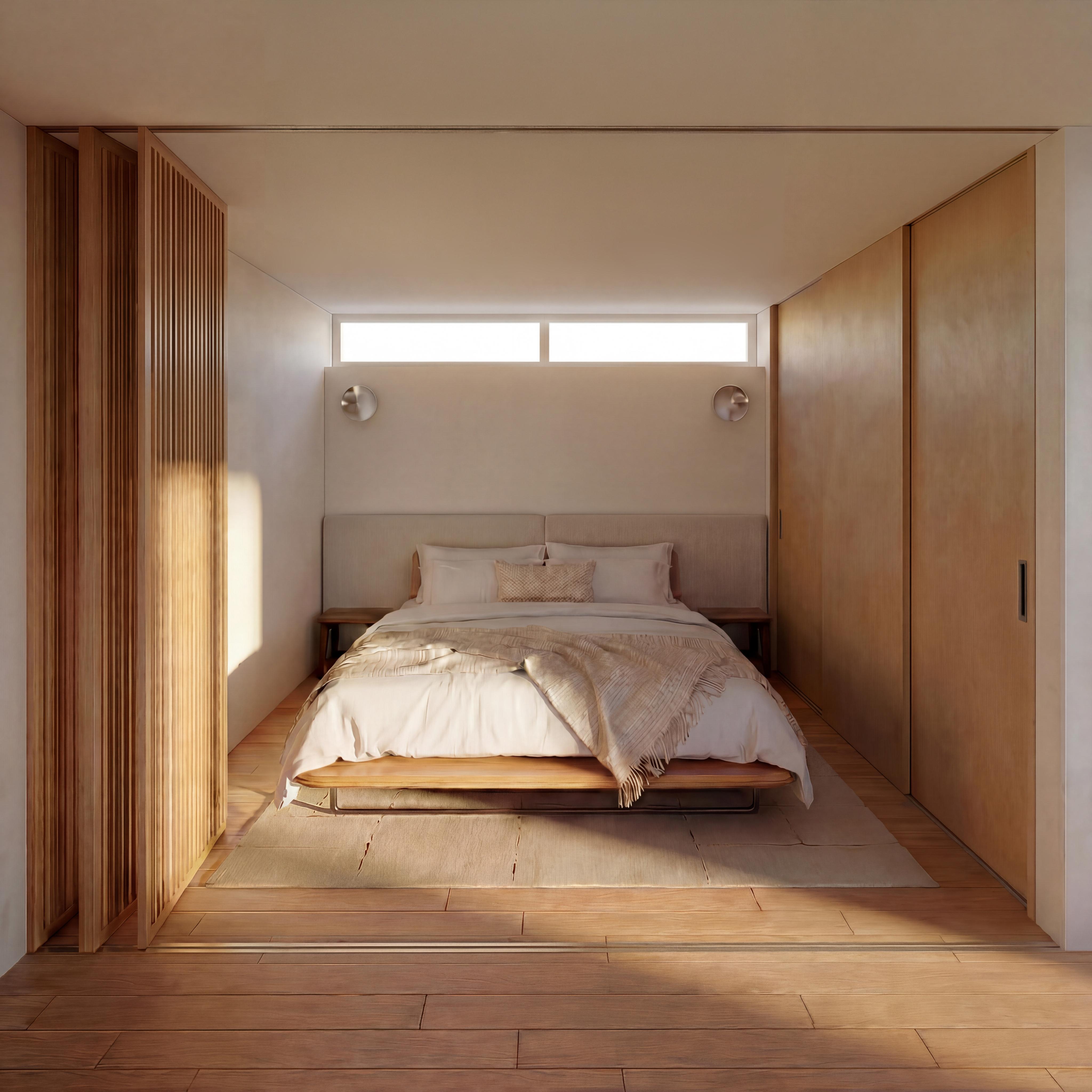
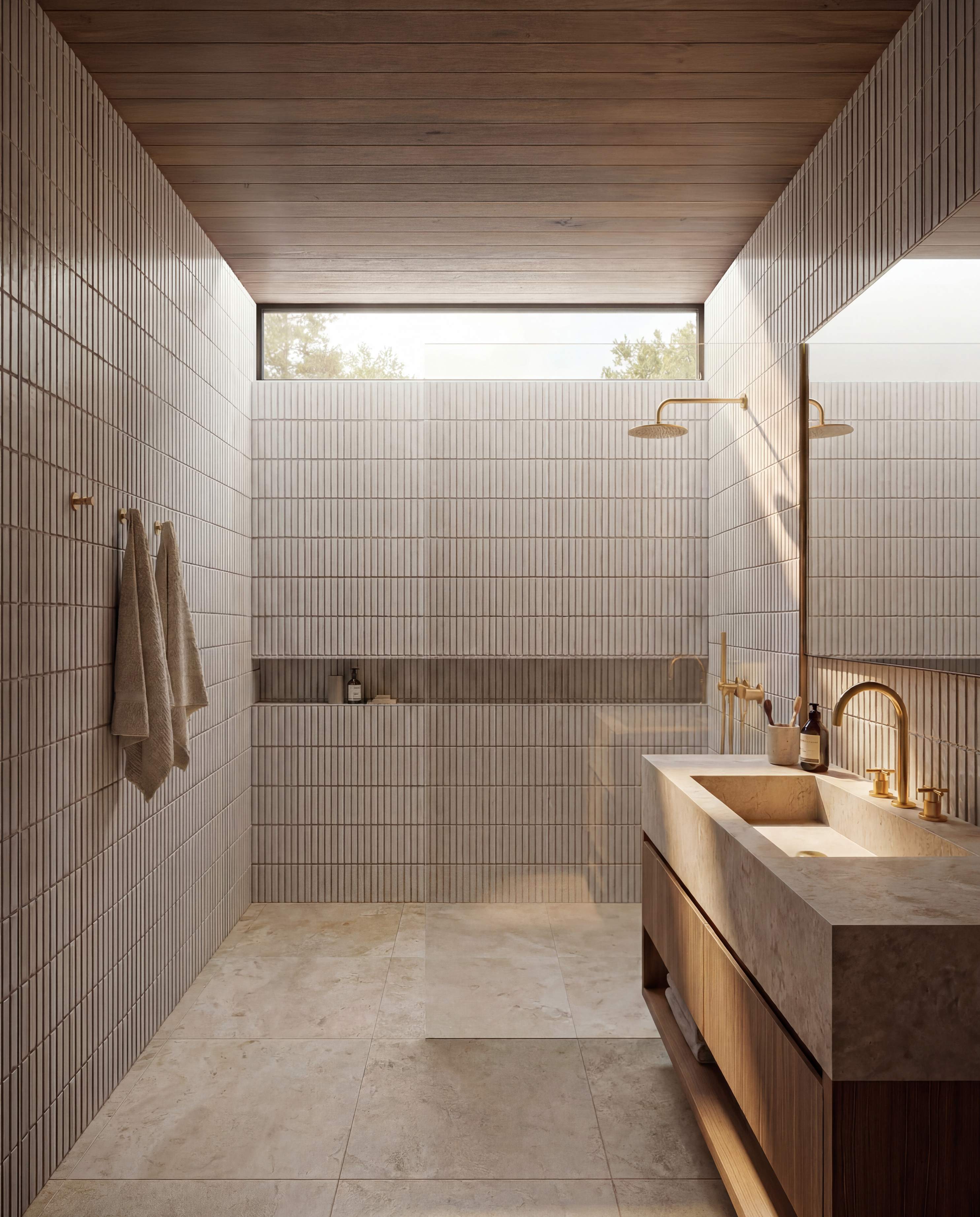
Inside, the material logic inverts. Against the brick's exterior weight, the interiors soften to timber, plaster, and stone—washed in long light and framed back toward the grassland, where clerestories and skylights draw the open sky indoors.